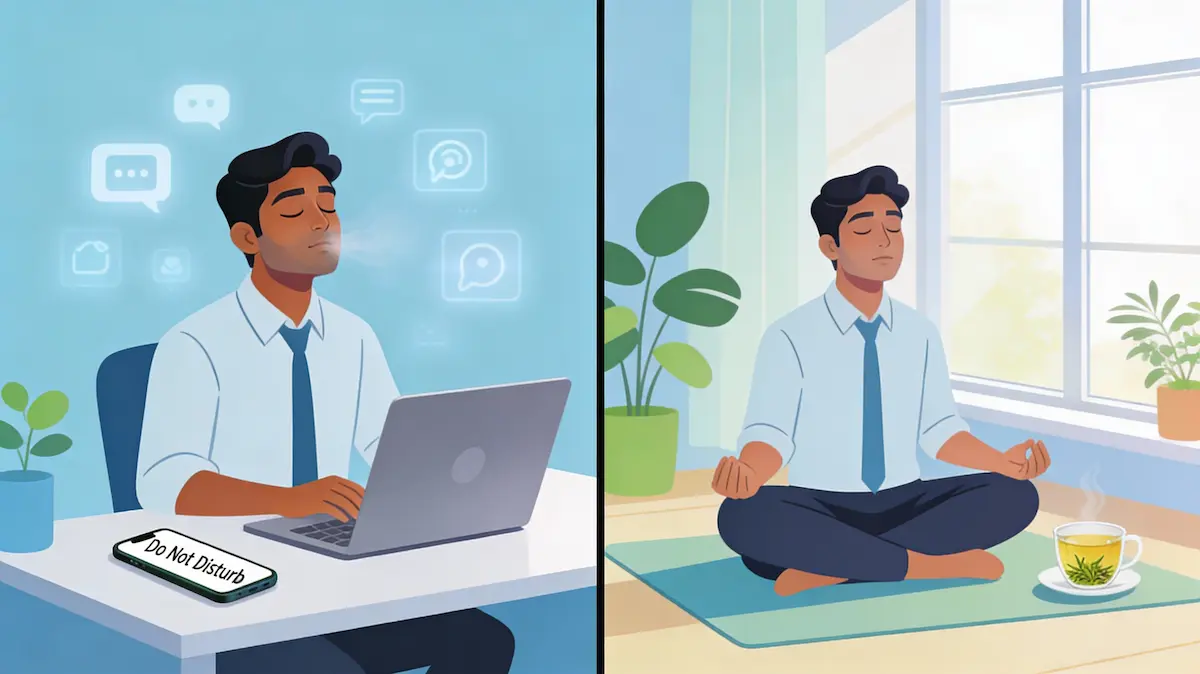
Mindfulness has become essential in a world where screens, notifications, and constant demands keep the mind on high alert. Practicing mindfulness—online and offline—helps calm the nervous system, sharpen focus, and build resilience to everyday stress.
What mindfulness really means
Mindfulness is the practice of paying attention to the present moment on purpose, with curiosity and without judgment. It is less about “emptying the mind” and more about noticing thoughts, feelings, and sensations as they are, instead of getting carried away by them. This awareness creates a gap between trigger and reaction, giving space to respond calmly rather than react impulsively.
Simple offline mindfulness practices
Offline practices help anchor attention in the body and surroundings, reducing mental noise.
-
Mindful breathing: Sit comfortably, relax your shoulders, and gently focus on the sensation of air moving in and out of the nose or belly. Count breaths from 1 to 10, then start again. Even 3–5 minutes can lower stress.
-
Body scan: Lying or sitting, slowly bring attention from your toes to your head, noticing tension, warmth, or tingling without trying to change anything. This trains awareness and helps release physical stress.
-
Mindful walking: Walk slowly, feeling each footstep, the ground beneath you, and the movement of your legs. Notice sounds, light, and air without labeling them as good or bad.
Bringing mindfulness into daily routines
Mindfulness works best when woven into ordinary activities, not just formal meditation.
-
Mindful eating: Before a meal, pause, look at the food’s colors and textures, and take a few slow bites, noticing taste, smell, and chewing. This helps prevent stress-eating and improves digestion.
-
Mindful chores: While washing dishes or cleaning, pay attention to the sensations of water, movement of your hands, and your breathing. When the mind wanders, gently bring it back.
-
Mindful pauses: Set small “pause points” in your day—before opening a door, starting the car, or joining a meeting—to take one slow breath and notice how you feel.
Managing stress in the digital world
Online life can amplify anxiety through constant comparison, information overload, and notifications.
-
Intentional screen use: Before opening an app, ask, “Why am I here—information, connection, or distraction?” Using devices with a clear purpose reduces mindless scrolling.
-
Notification boundaries: Turn off non-essential alerts, batch-check messages at set times, and keep at least one screen-free hour before bed to help the brain unwind.
-
Mindful scrolling: When on social media, occasionally pause and check: “How does this make me feel—inspired, tense, or drained?” If a feed consistently triggers stress, unfollow, mute, or limit time.
Short practices for online stress
Even in the middle of a workday or online session, short mindful breaks can reset the nervous system.
-
3-breath reset: Before sending an email or switching tasks, take three slow, conscious breaths, feeling the inhale and exhale fully.
-
5-sense check-in: Notice what you can see, hear, feel, smell, and (if relevant) taste right now. This grounds attention in the present when anxiety spikes.
-
Micro-meditations: Use 1–2 minutes between calls or classes to close your eyes, relax your jaw and shoulders, and feel the breath move through the body.
Building a sustainable mindfulness habit
Mindfulness is a skill, and it grows with regular, gentle practice.
-
Start small: Begin with 3–5 minutes a day rather than aiming for long sessions that are hard to sustain.
-
Link to existing habits: Attach a practice to something you already do—after brushing your teeth, before lunch, or right after logging off for the day.
-
Be kind to yourself: Minds wander; that is normal. Each time you notice and return to the present, you are strengthening your “mindfulness muscle.”
Practiced consistently both online and offline, mindfulness turns everyday moments into opportunities to reset, recenter, and reduce stress. Over time, it supports better focus, calmer reactions, and a more balanced relationship with both the digital world and daily life.